
Fuel Costs Spike
May 7, 2026
Farmers and ranchers have been struggling over the last few years to make ends meet with record yields, low crop prices, and skyrocketing input costs. After the initial round of tariffs issued by the Trump administration, input costs continued to climb for American farmers and ranchers and last year’s growing season put many banks on shaky ground to issue operating loans for the 2026 crop year. Over the last year and a half, little has been done to improve the farm economy. The current war in Iran has further exacerbated input costs by increasing the cost of fuel.
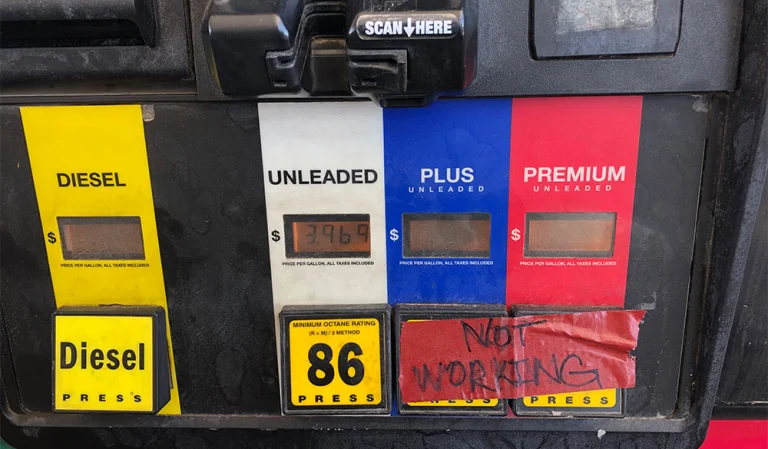
The Strait of Hormuz is a channel of water between Iran and the United Arab Emirates. Currently, Iran has more or less blocked passage through the strait which results in increased, and climbing, oil prices. Since February 28th, U.S. gas prices have risen more than a dollar for regular grade and diesel has surged by nearly two dollars. While average fuel costs vary, New Mexico State University estimates that conventional agricultural systems use 5 gallons of fuel per acre. Just one year ago, a farmer managing a 640-acre section would have faced an estimated fuel bill of $10,496 for their 2025 crop (based on AAA’s 2025 March diesel average for New Mexico of $3.28 per gallon and a 5-gallon-per-acre average). Today, with diesel hitting $5.24 a gallon, that same farmer faces a bill of $16,768.
As these pressures are applied to farmers, food prices will continue to rise as a result of the increased cost of fuel. As food travels from the farm gate to the grocery store transportation costs will rise.
According to a report from USDA, food prices are expected to climb again in 2026. As these price increases begin to show up in the market place, experts are saying that fresh foods will likely be the first to rise. Fresh fruits, vegetable, and meats travel on refrigerated trucks which burn more fuel than normal freight transportation. Eventually, grocery store items will all see an increase as the cost to get a produce to the store continues to climb.